
Radim Malinic draws on his extensive and varied professional experience. He provides a thorough insight into the creative process. The insight is aesthetically appealing. It is found in "Book of Ideas - A Journal of Creative Direction and Graphic Design - Volume 1". More than just a guide, this book is divided into three main sections: Work, Creativity, and Mind. Each section holds both personal insights and useful guidelines. Each section explores fundamental facets of the creative field. It ranges from cultivating client relationships to overcoming artistic obstacles. It also includes embracing personal growth and enthusiasm in the workplace. Equipped with full-page graphics and real-world case studies, Malinic's book offers inspiration and advice. It is invaluable for seasoned professionals. It also benefits freelance creatives and design students.
The extensive history of Japanese graphic design is explored in detail in Contemporary Japanese Posters. It looks back over 50 years at the evolution of design principles in Japanese society. This journey begins with the revolutionary Tokyo Olympics of 1964. There are 756 posters in this comprehensive reference, created by 85 graphic designers. Highlighted designs include major events like the Osaka Expo. These designs also feature the creation of the recognizable Issey Miyake emblem. This book is unique with its 519 pages. It was published by Skira in 2021. It examines how Japan has blended the traditional and the modern since World War II. This book is a tribute to the timeless inventiveness of Japanese graphic design. It also highlights its cultural relevance. It is a must-read for anyone interested in design or art history.
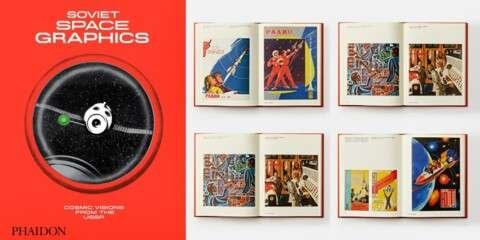
The book "Soviet Space Graphics: Cosmic Visions from the USSR" is fascinating. It delves into the Soviet Union's depiction of the space race. It also explores cosmic fantasies during the Cold War. Compiled by Alexandra Sankova, this lavishly illustrated book features more than 250 original artworks from popular science magazines. These artworks served both as political propaganda and as entertainment. It offers readers a distinctive perspective on Soviet ideas about scientific progress, space travel, and the possibility of extraterrestrial communication. This book is essential for lovers of space, graphic design, and Cold War history. It offers a fascinating glimpse into the hopes and psychology of a bygone era. It is much more than just a beautiful collection of images.
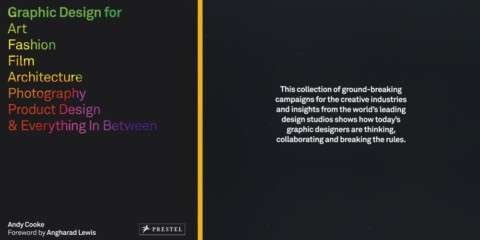
Graphic design is a vital and dynamic element in many different industries. These include art, fashion, film, architecture, photography, and product design. This comprehensive guide showcases the importance of graphic design. It plays a critical role in creating visually compelling layouts. It also ensures practical and efficient visual communication. Through extensive case studies, readers will understand how leading designers create patterns. They will also learn how they form these patterns and transform ideas into powerful visual storytelling. Andy Cooke and Angharad Lewis, two renowned designers, wrote this book. It is an invaluable resource for both aspiring and experienced graphic designers. It offers insight into the innovative thinking. It also highlights the teamwork involved in producing great design projects across various industries.
The book, Milton Glaser: Graphic Design, is classic and enduring. It explores the early work of one of America's most important graphic designers. It also examines his working approaches. The book is highly acclaimed for providing a thorough perspective on Glaser's early career. It includes iconic pieces like the avant-garde New York magazine design. It also features the psychedelic Bob Dylan poster. First published in 1973, this iconic work demonstrates Glaser's extensive contributions to the industry. It provides a perceptive analysis of the broader implications. It also reflects on the obligations of graphic design. Praised by critics and peers alike, this book remains a fundamental resource for understanding and appreciating contemporary graphic design.
Dive into the visual rebellion of punk and post-punk. Explore Too Fast to Live Too Young to Die: Punk & Post Punk Graphics 1976-1986. This book features over 700 scans of original flyers, posters, and album covers. These are from the most important bands of the era. It is a gold mine for fans and creatives alike. Compiled from the lifelong collection of punk enthusiast Andrew Krivine, the book is more than just an archive. These images are accompanied by expert commentary. The historical context highlights the movement's lasting influence on graphic design. It also emphasizes the rebellious attitude that inspired it all.
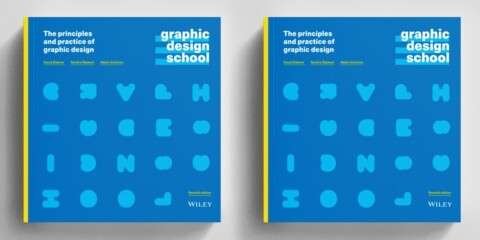
"Graphic Design School: Principles and Practice of Graphic Design" is by David Dabner, Sandra Stewart, and Abbie Vickress. It serves as a thorough guide. This guide is ideal for aspiring and practicing graphic designers. This valuable book includes information on the evolving techniques and immutable principles of the graphic design industry. This recently revised resource goes beyond the basics. It provides a solid foundation of fundamental ideas. The book shows how these ideas are applied in a variety of media, from print to innovative online design. The book offers abundant real-world examples and perceptive analysis. It also provides helpful guidance. These elements give readers the skills and information they need to succeed in the rapidly changing field of visual communication.
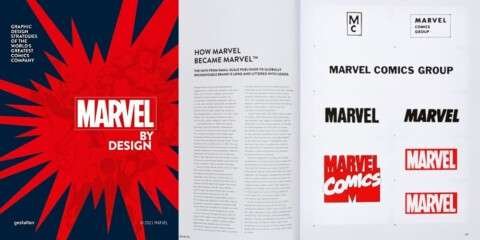
"Marvel By Design" examines the significant influence Marvel Comics has had on popular culture. It also explores its impact on graphic design over the past eight decades. This comprehensive tome delves into Marvel's evolution from its comic book beginnings. It highlights Marvel's notable presence in contemporary digital arenas like gaming and advertising. The book provides an analysis of Marvel's distinctive design techniques, including recognizable logos, covers, and color palettes. It reveals the innovative approach that has set industry benchmarks. Marvel By Design showcases Marvel's influence on visual storytelling. It also highlights its impact on cultural narratives. This book is a valuable resource for designers and comic book enthusiasts alike. It features expert perspectives and visual encyclopedias.
Products that are "Made in Japan" may conjure up images of the perfect fusion of functionality and style. "Made in Japan: Awe-Inspiring Japanese Graphics," a book that examines how design influences every element of Japanese life, perfectly realizes this concept. This book explores the essence of Japanese design, showing the seamless integration of traditional art and philosophy with modern ideas, all while emphasizing subtle grace and simplicity. It provides a thorough understanding of why Japanese design is so highly regarded worldwide for its ability to inspire and set trends while combining beauty and functionality. If you've ever wondered why Japanese design is unique, this book will give you a clear insight.
Going beyond the conventions of standard design books, Extra Bold is a vital resource that combines the academic rigor of a textbook with the entertaining aspects of a comic book, zine, and survival guide. Written by Jennifer Tobias and Ellen Lupton, this groundbreaking resource challenges the traditional design narrative from a diverse and inclusive perspective with a wealth of insightful essays, personal stories, and helpful guidance. "Extra Bold is a revolutionary manifesto for promoting empathy and equality in the design industry. Written for both beginners and experienced designers, it tackles important issues such as inclusivity, the wage gap, and mentorship.